leftchannel
headline

Friday, March 4, 2011

Rosemary Blooms

Just a guess:  If you grow rosemary you're probably growing it for culinary purposes.  While attractive enough of a plant, it probably isn't the first plant that comes to mind when you think of attractive foliage or blooms.  But when you talk about fragrance....Wow! 

I'm one of those people that isn't crazy-crazy for the taste of rosemary (I'm working on it) but I do love the fragrance.  My hand invariably brushes across the top of any rosemary plant outside or in the greenhouse and I do enjoy the scent that quickly envelopes the area.  (This actually can be overpowering when we are in the process of taking rosemary cuttings, but is well worth the net result).

We do grow a few different varieties of rosemary for display purposes in the gardens...

Rosmarinus officinalis 'Irene' is a great plant to use perhaps in a rocky area where a bit of a cascading effect would be very nice.

We also grow a 'Shish-ke-Bob' variety that has very sturdy, upright stems which, strangely enough, are great to use as a shish kebob skewer for veggies and various cuts of meat.


Rosemary standard
But I thought you might be most interested at this time of year to see a rosemary that we have trained into a standard form--and it happens to be blooming right now.  Which is something that you might not get to see if you've tried growing these as an "annual" in your own gardens outside.  Enjoy!

Rosemary flowers

Monday, February 14, 2011

New Sprouts in the Greenhouse!

After that last cruel dumping of snow on February 2, 2011--it's comforting to know that spring is on schedule.  At least in the greenhouse...

Our greenhouse growers (and volunteers) sow seeds into tiny compartments (a plug tray) with one type of seed in each tray.  Each plug tray has between 21 to 288 compartments to hold seeds, and then seedlings.  The growers will decide, based on how quickly a seedling grows/what type of root system the seedling has, what size plug tray is best suited to start off that seed.  The 288 plug tray was voted most popular by seedlings in our greenhouse.


Alyssum 'Snow Crystals'
Sown on January 3rd - for Baskets

California Poppies 'Twister'
Sown on December 6th, 2010 - for Baskets


Dianthus 'Ideal Violet'
Sown on December 6th, 2010 - for Baskets


Dusty Miller 'Silver Dust'
Sown on December 20, 2010 - for Bedding Plants
A great foil to just about any color under the sun!


Lobelia 'Riveria Blue'
Sown on December 6th, 2010 - for Baskets
The best blue blossom ever!

Stock 'Cheefrul Yellow'
Sown on January 31st - for cut flowers
Doesn't just the name of that Stock sound like Spring?

Violas
Sown on January 3rd - for Bedding Plants

A few stats:  approximately 10, 600 viola seedlings were sown (and 25,000 pansy seedlings) for spring bedding use.  Right now, between 90,000 and 100,000 seedlings for spring and summer crops are growing on in our greenhouse.  That's a lot of infants to take care of!

If you are a sower of spring plants, how are yours looking right about now?

Friday, January 28, 2011

Craving Spring Now?

We have had quite a few sunny days this winter--and that always makes me feel better.  But we do tend to be a bit gray this time of year.  We try to alleviate that, over here down by the Cantigny greenhouse, by bringing out a bit of spring in a pot:  forced bulbs.  Starting on Fridays in February, Cantigny will once again be opening its gates to the public during the weekends (Fridays through Sundays).  If you do stop by our Visitors Center and our Museums, you just might catch a glimpse (and maybe even a delicate fragant whiff) of a variety of forced blossoms.

Yes, if you do want to achieve this on your own you do need to plan a bit ahead (early fall is best).  It will certainly be welcomed come mid-winter.  It's not a difficult project, but you do need to have a spot of patience.  Many bulbs are potted up and then need to be chilled for up to 14 weeks before they can make a grand appearance.  When you "force" a bulb, you're trying to imitate what that plant would normally require if it was planted outdoors in your garden.  If you planted tulips for instance, this fall, they are quietly chilling outside in the soil.  So, when you wish to force a bulb to do this in a pot, you are simply trying to mimic nature.

Different bulbs have different requirements or preferences and if this topic intrigues you, I'd encourage you to sign up for a complimentary class that we will have later this year...Saturday, October 1st, at the greenhouse.  You'll learn all the basics and be able to fire off any questions you may have on the topic.  In the meantime, come on over any weekend in February and inhale deeply at the Visitors Center kiosk.  If you close your eyes, you just might think that spring is right around the corner.

Friday, January 14, 2011

What's on Your Gardening Chore List?

Happy New Year!

I hope your holidays were great, and all your decorations are neatly tucked away.  That process, for me, always instills a inner "need" to start organizing...something.  I guess that's why as I was scooping up marked down Christmas cards and wrappings, there was prominent space in the stores, given to organization "tools".

A tool that I use to help me remember things is calendars.  I usually spend a good chunk of one day organizing all my calendars:  home/work, traditional and computer-driven.  As I was jotting down all the upcoming birthdays, meetings and programs in my life, I thought it might be useful for you, my readers, to be able to jot a few notes on your own calendar--things you might want to be aware of for the upcoming month, garden-wise.

January is the perfect month for planning--and there is a lot to do!

1.  If your mail carrier isn't bowed over carrying all your gardening catalogs--now is the time to order them.  Or, to be an even greener gardener--check out their sites online.

2. Check your seed stash.  If you're unsure whether a seed you have is viable or not, here's a simple germination test:  Place 10 seeds from one packet of seed onto moistened paper towels.  Roll 'em up, place in a ziploc bag and keep warm for a few days.  If fewer than 7-8 seeds sprout, think about ordering replacements.  Note:  you can put multiple paper towel "rolls" into one ziploc bag, but, be sure to label each roll so you can remember which seed you're testing.

3.  Sketch out your vegetable garden plan....don't forget to rotate those crops!

4.  While you're designing your veggie plot, consider areas in your landscape that aren't really working for you and your family--tackle one this year and think about how you'd like to redesign it.

5. If your Christmas tree hasn't been picked up yet by your municipality, trim off all the evergreen boughs and place them on top of your perennials.  They make a nice insulator and prevent plants from heaving out of the soil during freeze and thaw cycles. 

6.  ...and one of my favorites...sit down with a good garden book (or a few garden magazines) and sharpen up your garden skills--we can always learn something new!

P.S.  Believe it or not, now is the time to cover your rose bushes....the Cantigny Horticulture crew spent a few days last week and this week covering many of them in our rose garden.  You don't want to cover them too early (before the ground thoroughly freezes) or you'll be making a mini compost pile around them which can heat up and cause disease and pest problems.  Our cover "mix" is a combination of composted garden plant material, coarse (construction-grade) sand, and leaves.  If you haven't covered your roses, you're not too late (Yeah!).  Give them their special little blanket and you'll have a much better chance of happy roses this spring!

Photo taken by Jim Frazier at Cantigny Gardens 2010

Thursday, October 28, 2010

Thinking Bulb-ilicious Thoughts....


Tulip 'Angelique' (photo by Chris Walters )

Time to plant the bulbs!


Usually after we get one of those blackening frosts, we are teased back into a bit of warmer weather for a spell. That is a great time to get back out into the garden and plant up your bulbs that will brighten your days next spring. There are so many colors of tulips to choose from, and those glorious scented hyacinths ….and every garden has room for a few bright and perky daffodil bulbs, but don’t forget about the “minor” bulbs. They are called minor bulbs due to the size of the bulb/bloom. But, hey, let’s not give them a complex here. Those little bulbs pack quite punch: they’re the first ones blooming their little hearts out in the spring and most of them are stupendous at naturalizing. Which, once again, means you need to think a lot about changing that hunky, sticky, clayey soil into primo soil by incorporating some compost into the mix. These bulbs don’t need supplemental watering during the summer months (don’t plant them with perennial or annual flowers). Think about tucking them just under tree and shrub edges to peep out their joyous heads at early spring. Here’s my favorite top five, plus one…

Emerging snowdrops (Photo by Jim Frazier)

Close up of Snowdrops (Photo by Jim Frazier)

1. Galanthus or snowdrops. One of the earliest bloomers around. They’re so simply sweet and the gladest tiding of spring ever! Plant in groups of 10 plus to make an impact.


Grape Hyacinths (Photo by Chris Walters)

2. Muscari or grape hyacinths. These come in a lovely trio of white, light blue and dark purple. Plant them all together for a lovely spring floral arrangement.

3. Erythronium denscanis or Dogtooth Violets. Nice leaves and very sophisticated little bloomers.

4. Allium schubertii or Ornamental Onion. Very cool plant—when they are in bloom they are the most asked-about plant in the Idea Garden. They look just like a Fourth of July sparkler.


A mass planting of Allium schubertii with blue lobelia underneath.  (Photo from Jack Bannister)


Close up of Allium schubertii (Photo from Jack Bannister)

Allium schubertii after leaves die back--these "sparklers" will last in your garden 'til fall!

5. Species Tulips, or Kaufmanniana, or Gregii, or Fosteriana Tulips. Unlike the tulips you might be more accustomed to, these tulips will come back better and better each year. Try a few—they’re cute.

And my plus one bulb….have you ever planted garlic? Fall is the time to do it. But don’t raid your kitchen cabinet for it (but you can). Do a little research on line and see what varieties sound the best for you. Separate the entire bulb into cloves. You’ll plant each one of these about 6” apart in rows about the same distance apart. They’ll even put on a bit o’sprout of growth this fall just to show you how good their nature really is. They’ll add on to their growth in the spring, making all kinds of whirly-curliques and then they’ll start to slow down in mid-summer. And then stop. And that’s about the time you can reap the rewards of your planting..yum-oh! Oh and save a few bulbs to replant again in the fall….

Bulb appétit! And good luck with your tucked away treasures. It’s always a fun little surprise when they pop up in the spring!

Tuesday, October 19, 2010

Fantastic Fall--Awesome Autumn! Part II

More great Canitgny fall pictures to entice you...why not spend a few hours, or even the day?

Just one of the beautiful containers down Pergola Path at the Rose Garden


Kohrabi 'Kolibri', Kale, Bulb Fennel and Pansies in the Idea Garden


Crasseula 'Campfire' on the Loch Ness Monster in the Idea Garden


Mums and Mizuna Lettuce on the South Border of the Idea Garden


Oakleaf Hydrangea at the Fountain Garden


Fountain Garden Containers

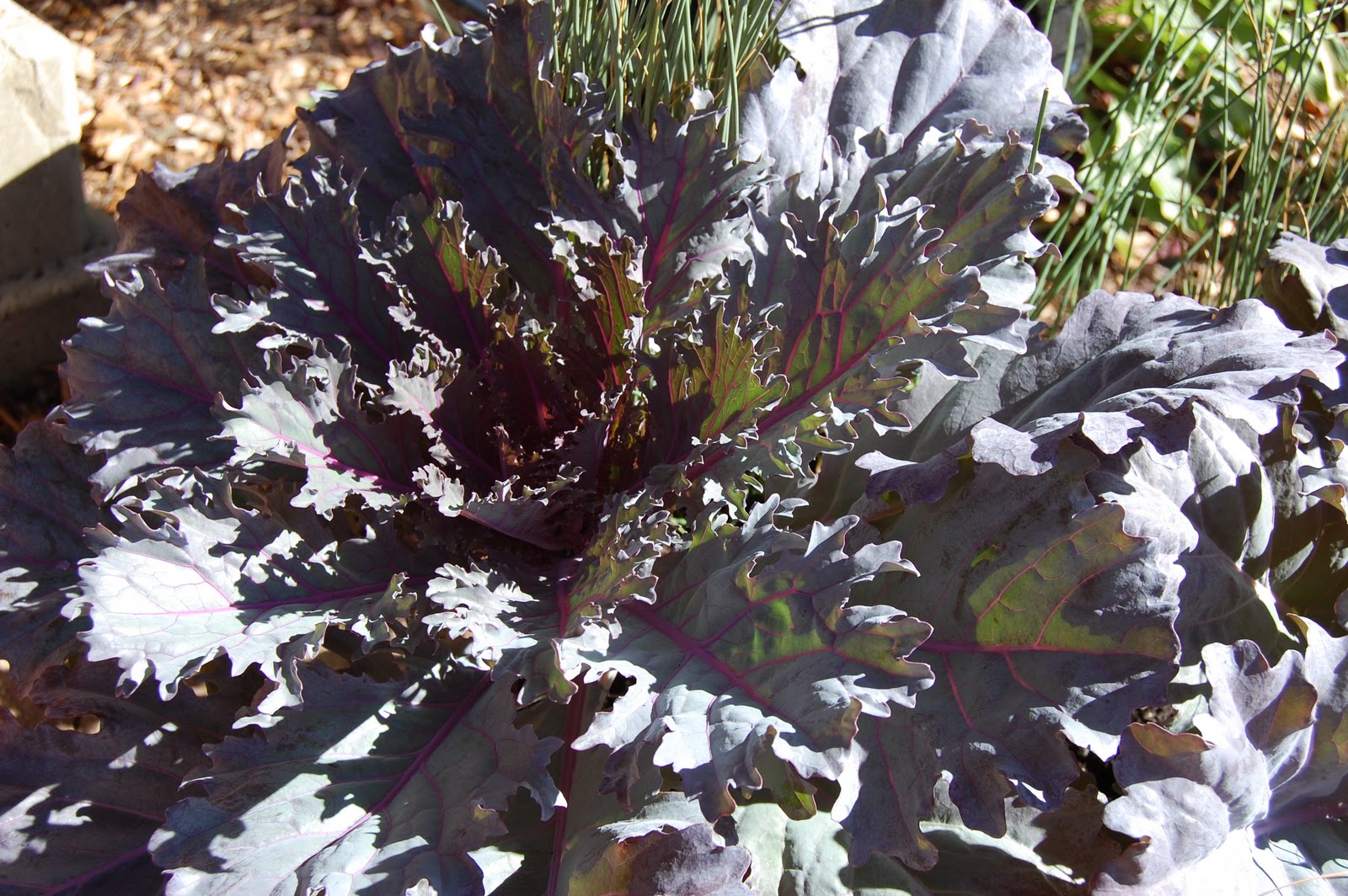
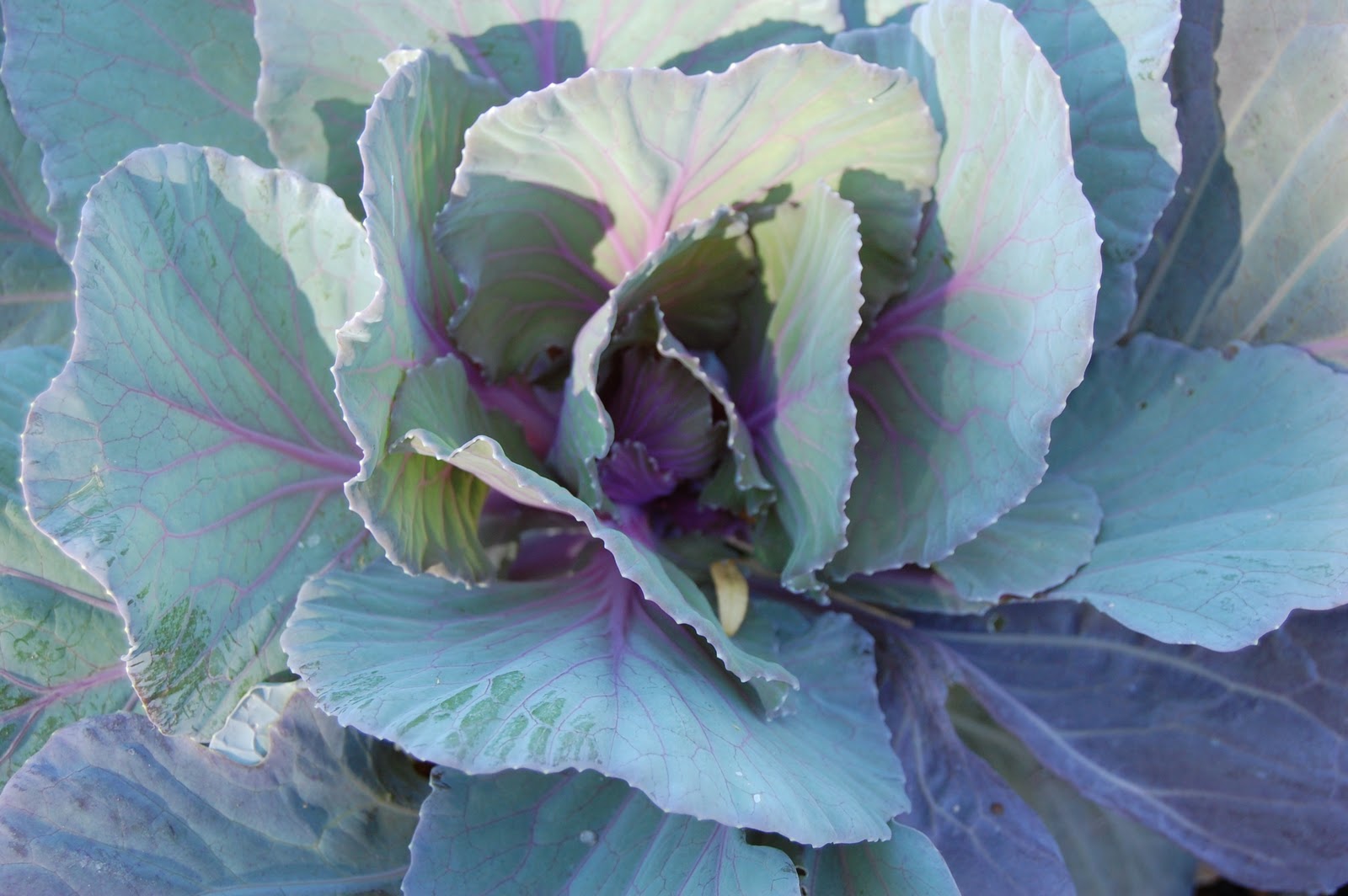
Ornamental Cabbage at the Visitors Center


Thanks for visiting the gardens this fall!


Tuesday, October 12, 2010

Fantastic Fall--Awesome Autumn! Part I

 
Beautiful Kale at the Visitor Center entrance

Plan to make a trip out soon to see the best fall "fashion" show ever!   The weather has held up so nicely but all it takes is one cold evening to make it all disappear….(til next year). Grab a garden map at the Visitors Center to help you locate each garden "room". 
Enjoy!


Heptacodium miconoides Seven Sons Flower at the Visitors Center


Syringa reticulata Japanese Tree Lilac at the Visitors Center


Agastache 'Cana Heather Queen' at Visitors Center Patio


Crabapples escorting you down the main garden path.


Asters across path from Crabapples near Octagon Garden.
  

Octagon Garden Display
  

Rudbeckia subtomentosa 'Henry Eilers' at Gold Pond
 

Malva 'Zebrinus' and Northern Sea Oats at Gold Pond


Rosa 'Nearly Wild' at Gold Pond


Sedum 'Matrona' at Four Seasons Fence


Hydrangea  'Endless Summer'--What a lovely partner with the Sedum 'Matrona'!