leftchannel
headline

Tuesday, October 19, 2010

Fantastic Fall--Awesome Autumn! Part II

More great Canitgny fall pictures to entice you...why not spend a few hours, or even the day?

Just one of the beautiful containers down Pergola Path at the Rose Garden


Kohrabi 'Kolibri', Kale, Bulb Fennel and Pansies in the Idea Garden


Crasseula 'Campfire' on the Loch Ness Monster in the Idea Garden


Mums and Mizuna Lettuce on the South Border of the Idea Garden


Oakleaf Hydrangea at the Fountain Garden


Fountain Garden Containers

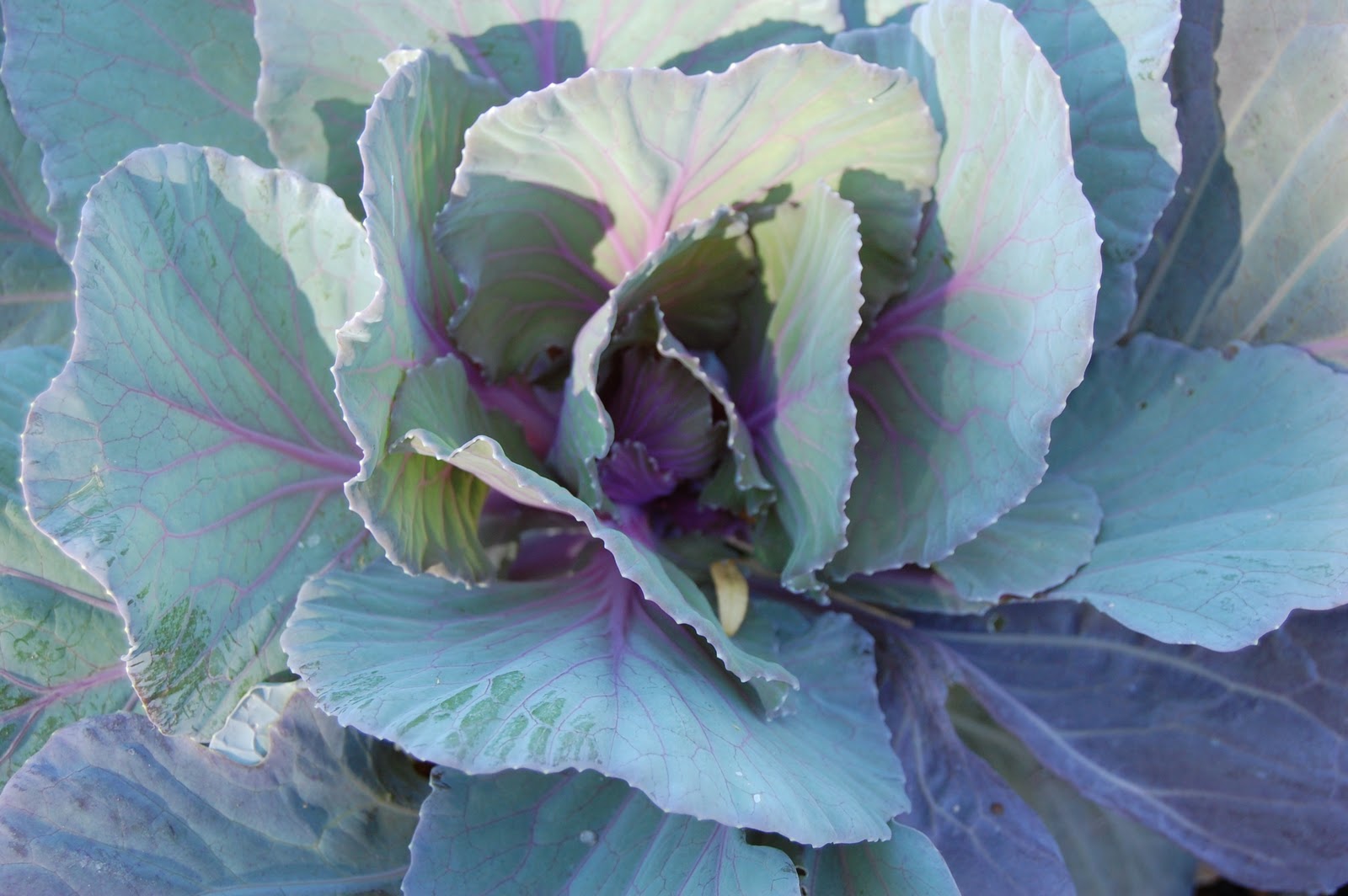
Ornamental Cabbage at the Visitors Center


Thanks for visiting the gardens this fall!


Tuesday, October 12, 2010

Fantastic Fall--Awesome Autumn! Part I

 
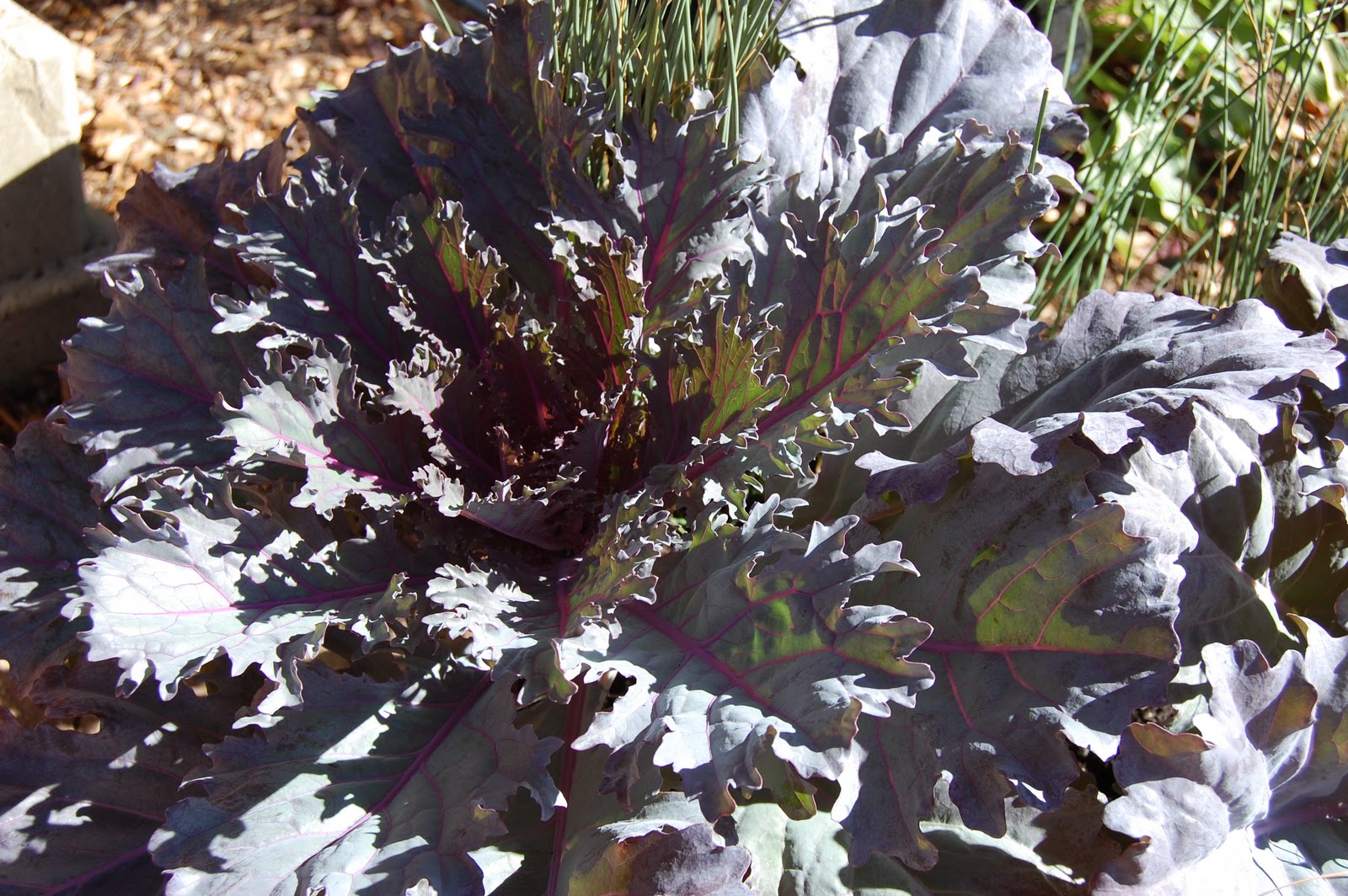
Beautiful Kale at the Visitor Center entrance

Plan to make a trip out soon to see the best fall "fashion" show ever!   The weather has held up so nicely but all it takes is one cold evening to make it all disappear….(til next year). Grab a garden map at the Visitors Center to help you locate each garden "room". 
Enjoy!


Heptacodium miconoides Seven Sons Flower at the Visitors Center


Syringa reticulata Japanese Tree Lilac at the Visitors Center


Agastache 'Cana Heather Queen' at Visitors Center Patio


Crabapples escorting you down the main garden path.


Asters across path from Crabapples near Octagon Garden.
  

Octagon Garden Display
  

Rudbeckia subtomentosa 'Henry Eilers' at Gold Pond
 

Malva 'Zebrinus' and Northern Sea Oats at Gold Pond


Rosa 'Nearly Wild' at Gold Pond


Sedum 'Matrona' at Four Seasons Fence


Hydrangea  'Endless Summer'--What a lovely partner with the Sedum 'Matrona'!
 

Monday, October 11, 2010

Fall Garden Clean-Up Tasks--Part II


Euonymus alatus  Burning Bush near Gold Pond (Photo by Jim Frazier
 

Don’t forget newly planted trees and shrubs!


Watering: We have had a very dry fall this year (so far!) and especially if your plantings were added this year you’ll want to keep them well hydrated. Think of this as a weekly garden task, at least until we start getting some rain. And none of that quick spritzing stuff either—you want to make sure that water is reaching into the root zones (and not running off) of these plantings. Keep this watering up through a hard frost (and that can be after Thanksgiving!).

Mulch ring: If you haven’t done so already, consider a nice sized mulch filled ring around the base of these plants—this helps retain moisture and keeps errant mowers and string trimmers away from delicate bark.

Pruning: You can safely remove any dead, diseased or damaged wood at this time. Wait for late winter to tackle any major pruning though.


Lawns love this weather!

Our turf in this area loves cool weather and hence is actively growing. You can lower the deck on your mower to a cutting height of 2 inches. But you might need to mow more often to stay ahead of leaves that are falling from your trees. Don’t let them pile up too heavily or they will mat down and do more harm than good. If you can stay ahead of the leaf build-up you can just mow them up along with the grass—otherwise it is best to rake them and add them to your compost pile. Great stuff! And, if you feed your lawn only once a year—this is the best time to do that.


Calendula 'Flashback'
 Miscellaneous Garden Chores

Keep up with any weeding that needs to be done; remove any diseased plants and toss into trash not the compost pile.

Don’t cut back: ornamental grasses—they give a nice vertical element to the landscape and give us something to look at during the winter season. Leave sunflower heads, asters, Echinacea, rudbeckia, solidago (goldenrod), and millet seed heads for the birds to scout for snacks.

Rest your amaryllis bulbs. Bring them into a frost free zone and let them dry down. You are mimicking a natural drought condition for them. Don’t water again until they start to show a bit of growth (usually February or March—but minimum of 8 weeks). Then bring them into a bright area of your home and water as needed—in a couple of weeks you’ll be graced with a lovely stalk of blooms.

Take a tour around the vegetable and herb garden—yeah, the one that is in your backyard. You’ve probably got a few hangers-on of a few things…onion, tomatoes, peppers…maybe an eggplant or zucchini or two, the last few leaves of basil or a handful of oregano… Fix your mind into cooking up a big pot of spaghetti sauce or chili and toss in a little bit of this and a little bit of that. Cook it down slowly for a few hours and you’ll be rewarded with a great smelling house and a smile on your face as your taste buds re-visit this past summer of gardening one spoonful at a time.

If your veggies are still going full throttle and you'd like to help them through a frost and eke out a few more days (who knows, maybe even weeks) of good weather...invest in some lightweight polyester garden fabric.  You might find it under the name of Remay.  "Float" the fabric over the sensitive planting. Batten down the ends with bricks or rocks, but don't forget to roll back the fabric during the day so your plants don't get too toasty underneath.

And the best tip of all—if you are planning to create a new garden bed….NOW is the time to do it! This is where all those extra leaves would be best put to use—tilled into the soil. And, pssst, …..don’t be too proud to go and scrounge some from your neighbors. In years past I had been known to trawl the neighborhood scouting for bags o’ leaves that were destined for the county leaf-picker-upper-day. Bring them over to your new bed and run a mower over them and then till into your new bed. If you don’t have a tiller you can do a bit of double-digging and throw them into the “ditch” that you create with each row. Your soil will be fabulous come spring and your plants will thank you with great growth and productivity.

Monday, October 4, 2010

Fall Garden Clean-up Tasks -- Part 1 (Houseplants and Tuberous Stuff)

We’ve had our first light frost over the weekend…and hopefully you’ve stashed any tender house plants back into your friendly confines. If frost hasn’t hit you yet, it is best to get houseplants and tropicals back into your house before you turn on the heat—this makes for an easier adjustment phase for them.

Other tips for houseplants and those plants that you will overwinter in a “finished” state.

Give them a quick exam and cut off any battered leaves.

Rid them of any tagalong bugs: either by picking them off or with a spritz of soapy water or insecticidal soap.

Slugs, webs and dirt speckles tend to blemish the pots, wipe them off before bringing inside.

Don’t place them in a drafty area or near a heat source.

Don’t over-water or feed them (at all) during low-light months (October-March).

You’ll find that shady characters tend to winter through better, due to the lack of bright light in our homes.

Suggestion: instead of bringing in a big burly specimen, consider taking cuttings—much easier to keep the offspring going until springtime.

Plants prefer high light situations and cooler but more humid conditions than what most of us have in our homes. But, most of us don’t have this ideal indoor situation to keep plants chugging along. So for plants that you’d like to make a guest appearance in your garden next year…try to think dormancy instead of having them limp along in a tortured stated indoors.

What to do with those tuber things?

If you’ve purchased Bananas or Cannas or Elephant Ears this year and they are a little on the smallish side, pot them up and stash them in a cool area (basement or crawl space?)—but they cannot freeze. If they added a bit of girth out in your garden, wait until the frost has hit them. Cut them back to 6-8”. Dig up and shake/brush/wash excess soil. Let them dry in your garage or shed for about two weeks to give them a chance to dry out and cure a bit. Store them in a dry spot at about 40-50 degrees in a crate or cardboard box with peat moss or wood chips. Now this is the tricky part—they can’t be so dry that they desiccate to shriveldom, but they can’t be too moist or they will rot. So you need to visit them and check on them often until spring.


Weird factoid: Did you know….that today is ten-four day? On the 4th day of the tenth month we give an affirmative reply, “10-4” in recognition of all radio operators. Thanks Good Buddy!

Tuesday, September 14, 2010

The Rose Garden in the Fall...it's Looking Magnificent!


Before we say sayonara to summer colors, have you been by recently to take a peek at the rose garden? It is looking magnificent. You would think that we were in the throes of summer. I’ll leave you with a few pictures that I took on Sunday, September 12 th during our Photo Walk in the Gardens. But you know it’s even better in person!

It's hard to believe that roses are still happy in mid-September!


And even better close up!


Hurry! Hurry! Hurry! Come and take a look before they are gone! It’s a great time to soak up those last warm summer days…while we still have them. I love the fall season: bright sunny days and crisp cool nights, fresh and new fall plantings (more about that in another post to come), and a cornucopia of those great autumn colors.
    
 
Fall sunshine is great for backlighting these Horse Chestnut leaves.


Monday, August 23, 2010

The Grand Opening of the New Youth & Children's Garden!


Thank you for your patience! And now that we’re ready for our grand entrance…will you join us for cake and lemonade on Tuesday, August 24, at 1pm in the Idea Garden (good choice!)?
The plants are struggling a bit—they were held over (and not very happy about the situation), but we already have a few changes in mind for next year. Bear with us and please—ask questions and make suggestions: we’d love to hear your thoughts on our changes.
Enjoy the pictures below…


And we started with a felt liner.


Rolling out the rubber liner.


Positioning the rubber liner.


Adding tiers of rock.


Shoveling rock around the plants. This is back-breaking work!


A horticulturist needs to plant in wet and dry conditions!


Is this a dead tree? No! It's the start of our Alphabet Trail: "A" is for Arbor!


And "B" is for Butterfly Garden, and "C" is for Checkerboard...

Come on in and see the rest of the Alphabet Trail, as well as Pixie Point and Pixie Passage. Or stop in for a game of Tic-Tac-Toe. Can you spot a fish or two in the pond? If you listen quietly you're sure to hear a frog shout as you approach. Join us for a piece of cake and let us know what you think of our new addition!

Wednesday, August 4, 2010

Documenting Your Garden or Creating Your Garden Dream Book

The gardening “season” is, sad to say, on the wane. And now is the perfect time to make some notes, take some pictures—do a bit of garden documentation. And who better to do the reporting than you? You witnessed the successes and a few devastating blows, and if you’re even a quarter as forgetful as I am, it’s best to have something to help you remember those events.

Where to start? Pick the type of record keeping that suits your personality best because then you are apt to keep up with it. We all start the garden season with good intentions and then, mirroring the gardening season, our interests tend to wane. If you start with a system that is simple and fun for you to use, you’re sure to make better use of it for the entire season.

If we were to take a poll right here and now, my guess would be that most gardeners have attempted at least once in their gardening lives to keep some sort of garden journal. Furthermore, I would dare to guess that most of us haven’t quite “kept up with it”. Me? Guilty as charged.

Brush those guilty feelings aside (better yet—just compost them) and let’s make fun the first goal of creating your Garden Dream Book. What is a dream book? Well, it’s a conglomeration of all sorts of materials that encapsulate your dream for your garden. It will include lots of data, but other things too. This will be a fantastic way to keep track of your garden and your plans from year to year, but it’s also a goal setting process that will help you to tackle and achieve some of those “dreams” you hope for in your future garden.

Think of any of these suggestions as a cafeteria plan—you can pick and choose what you’d like to select and leave any of the uninspiring behind.

Data to keep track of:

When—you sowed seed, it sprouted/germinated/emerged in the spring, you transplanted it, you moved it outside to harden off, you direct sowed seed, it blossomed/fruited, you harvested.

Where you—bought it, planted it.

What—it cost (and any guarantees that might have come with the plants), kind of fertilizers/pesticides were applied and to which plants.

How well— it fruited, you liked a particular variety (or not).

Did it have—issues with pests/diseases.

Weather—frost dates, general rainfall and temperatures as well as extremes (drenching rains, strong winds, and hailstorms.

General observations and daily activites.

Other Items to Add to the Mix

Empty seed packets, plant tags from plants you have purchased.

Pictures of everything: weather, animal damage, fantastic combinations, dreary or lackluster plantings, plants that might need dividing this coming spring (basically anything and everything).

Graphed out designs of planting beds—or drawn free hand, sketches and drawings of ideas and dreams, and general doodles.

Wish lists and plans: to include things that you will buy or make (wind chimes, plants, hammock, nifty wren houses, homemade copper trellis), hardscaping hopes (a new patio, a front porch addition, a garden pond or rock garden).

Detailed information: articles and picture clippings from magazines for details and inspiration, reference materials, hand-outs from lectures and how-to classes, book lists.

Wildlife Wows: notations on wildlife visits.

Inspirational thoughts, quotes, poems or stories.

Websites and blogs you like.

Recipes that you hope to try when the harvests start rolling in from your garden.

Pulling it all Together

My dad was an accountant by trade and he documented the “numbers’ of everything in his landscape during the entire year: 286 dandelions pulled, 127 onion plants planted, 492 scoops of snow shoveled, etc. And he just jotted these items down on a simple wall calendar; typically one that was a freebie from the local hardware store.

This kind of documentation can be very helpful—just a simple note (first frost/late frost, drenching rains, droughts, invasions of nefarious insects and such) can help you to trigger cause and effect scenarios on the plant life in your garden.
Once again, it’s best if you pick and choose what will be the most fun for you—‘cause then you are apt to stick with it.

Garden Journals: There are plenty of cute/lovely/sturdy notebooks to jot all kinds of notes into.
Consider starting your own blog—a great place to jot down data and creative ideas and thoughts.
Choose a nice sized sketch book for your drawings and doodles—it even makes you feel more creative and artistic to draw on “good” paper.

By all means, get a digital camera if you don’t already own one—pictures are simple to delete, download and print out.

A large bulletin board can be a good grouping site for many of the above materials. It’s in your face, prompting and inspiring you to keep making additions. Even a plastic box can corral lots of the above material until you have time (maybe in the wintery months?) to organize it all.

Perhaps the best solution—and not even high-tech, is to use a simple three-ring binder. Most of the above materials can have holes punched into them for easy addition to the book. Pocket dividers help to group things in sensible categories. Envelopes or plastic sleeves/sheet protectors will keep small things like seed packets, labels and receipts handy.

Whichever method or methods you decide to adopt, I can guarantee that whatever progress you make on garden documentation, it will keep you in smiles during a dull gray winter day as you reflect back through your gardening year. And it just might give you the extra push to register for a class to make that copper trellis you’ve always wanted… Hmmm, stay posted for details regarding this copper trellis class being offered at Cantigny in 2011!